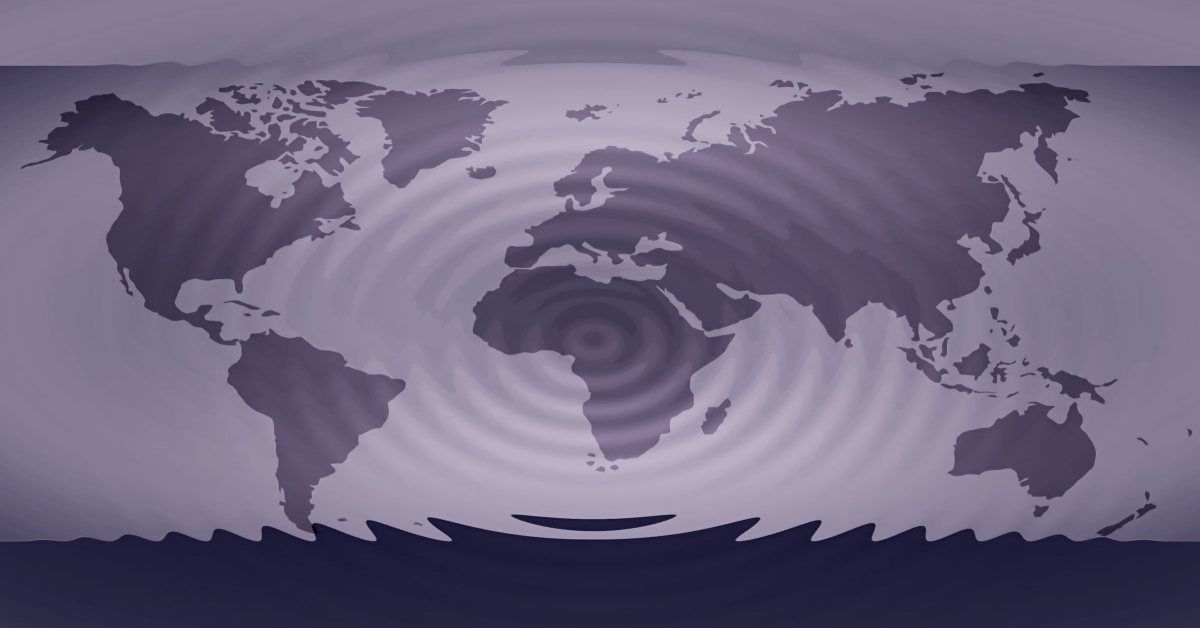
Understanding Global Seismic Activity: A Constant Pulse of Our Planet
Our planet is a dynamic entity, constantly shifting and evolving beneath our feet. This geological ballet often manifests as earthquakes, tremors that remind us of the immense forces at play deep within the Earth. From powerful seismic events that redraw coastlines to subtle rumblings indicative of volcanic unrest, monitoring these movements is crucial for understanding our world and safeguarding communities. While headlines frequently spotlight major tectonic plate boundaries in the Pacific Ring of Fire or the Himalayas, a global network of seismologists and advanced technology works tirelessly to track seismic activity across all corners of the globe.
Every day, thousands of earthquakes occur worldwide, though the vast majority are too minor to be felt by humans. These events are not random occurrences but are primarily the result of tectonic plates grinding against each other, subducting, spreading apart, or sliding past one another. The energy released from these interactions creates seismic waves that propagate through the Earth, providing scientists with invaluable data about our planet's interior. This continuous stream of information, processed in real-time, allows for a comprehensive Global Earthquake Monitor: Latest Seismic Activity Worldwide, offering insights into both significant events and the quieter, persistent hum of our planet's geological engine.
The Varied Nature of Earthquakes: Beyond Tectonic Plates
While most destructive earthquakes stem from tectonic plate boundaries, seismic activity isn't confined to these zones. Intraplate earthquakes can occur far from plate edges, often along ancient fault lines or regions under stress. Furthermore, volcanic regions present a unique and equally vital area of seismic study. Here, tremors are often precursors or accompaniments to magma movement, gas release, or structural adjustments within the volcano itself, rather than solely due to large-scale plate tectonics. Understanding these different types of seismic events is key to accurate assessment and preparedness.
Spotlight on Volcanic Seismic Activity: The Case of Teide and Tenerife
When discussing global tremor updates, it's essential to expand our focus beyond purely tectonic events to include regions with significant volcanic influence. A prime example of such an area is the Canary Islands, particularly Tenerife, home to Mount Teide. While not typically associated with the devastating megathrust earthquakes of subduction zones, the seismic landscape of Teide and Tenerife is a subject of continuous scientific interest and public awareness, often leading to searches for "terremotos teide tenerife".
Mount Teide is an active, although currently dormant, stratovolcano. Its very existence, along with the entire Canary Archipelago, is a testament to sustained volcanic activity. Therefore, the seismic activity, or "terremotos," associated with Teide and Tenerife is fundamentally linked to its volcanic nature. These tremors are not necessarily indicative of an impending eruption, but they are critical signals for scientists monitoring the volcano's health. Volcanic earthquakes in areas like Teide can be caused by:
- Magma Movement: As molten rock shifts beneath the surface, it can fracture surrounding rock, creating distinct seismic signals.
- Gas Migration: The movement and release of volcanic gases can also generate tremors.
- Hydrothermal Activity: Hot water and steam interacting with rock can cause pressure changes and small earthquakes.
- Fault Adjustments: Even in volcanic regions, minor adjustments along local faults due to regional stress can occur, sometimes triggered or influenced by volcanic processes.
The monitoring of "terremotos teide tenerife" is a sophisticated endeavor, involving an array of seismometers strategically placed across the island. This network provides real-time data to institutions responsible for volcanic surveillance, such as the Instituto Geográfico Nacional (IGN) in Spain. Their work ensures that any changes in Teide's seismic behavior are detected promptly, allowing for informed assessments of volcanic stability and potential hazards. Public concern and interest in "terremotos teide tenerife" underscore the importance of transparent communication and continuous scientific vigilance in volcanically active regions.
The Science Behind Teide's Tremors and Monitoring Efforts
Scientists differentiate various types of volcanic seismic events. For Teide, these could include volcano-tectonic (VT) earthquakes, which resemble typical tectonic quakes but are shallower and often linked to stress changes near the volcano; long-period (LP) events, which are thought to be caused by fluid (magma or gas) movement; and hybrid events, combining characteristics of both. The patterns, frequencies, and locations of these "terremotos teide tenerife" offer critical clues about what's happening within the volcano's plumbing system.
Modern seismic monitoring in Tenerife is highly advanced, utilizing broadband seismometers, GPS networks, and other geophysical instruments to detect ground deformation and changes in gas emissions. This multi-parameter approach provides a holistic view, helping experts to distinguish between normal background seismic noise and signals that might indicate an increased risk. The aim is to understand the baseline behavior of Teide, so that any significant deviation, perhaps an increase in the number or intensity of "terremotos teide tenerife," can be identified and evaluated with the utmost precision. This proactive monitoring is the backbone of any effective volcanic early warning system.
Accessing Real-Time Data and Staying Informed
In an age of instant information, accessing reliable, real-time earthquake data is more straightforward than ever. Numerous geological surveys and scientific institutions worldwide provide up-to-the-minute information on seismic events. These platforms allow the public, researchers, and emergency services to Access Real-Time Earthquake Data: Global Seismic Insights, typically including details such as magnitude, depth, exact location, and time of occurrence.
When reviewing earthquake data, it's important to understand what the numbers mean. Magnitude, often reported on the Richter scale or Moment Magnitude Scale (MMS), indicates the energy released. Depth is crucial: shallow earthquakes (less than 70 km) tend to cause more intense shaking than deeper ones of the same magnitude. Location, usually expressed as latitude and longitude, helps determine which populated areas might be affected. For volcanic regions like Tenerife, these details become even more significant, as shallow tremors beneath Teide could imply magma closer to the surface, prompting heightened vigilance.
Preparing for Seismic Events, Anywhere
While much of the focus is on monitoring, personal preparedness remains paramount. Whether you live in a high-risk tectonic zone or a volcanically active area like Tenerife, knowing how to react during an earthquake can save lives. Here are some actionable tips:
- Drop, Cover, and Hold On: The universally recommended action during an earthquake. Drop to the ground, take cover under a sturdy table or desk, and hold on until the shaking stops.
- Have an Emergency Kit: Prepare a kit with water, non-perishable food, a first-aid kit, a flashlight, a whistle, and essential documents.
- Secure Your Home: Fasten heavy furniture, appliances, and water heaters to wall studs to prevent them from toppling.
- Know Your Evacuation Routes: Especially in volcanic areas, understand potential hazards beyond shaking, such as ashfall, lahars (volcanic mudflows), or lava flows, and know your designated evacuation routes.
- Stay Informed: Follow official alerts from local authorities and geological agencies. For those interested in "terremotos teide tenerife," regularly check updates from institutions like IGN or local emergency services.
Understanding the difference between routine seismic activity and anomalous patterns is key, and this is where expert analysis is invaluable. For example, a continuous swarm of very small "terremotos teide tenerife" might be normal background noise for a volcano like Teide, but a sudden increase in larger, shallower events could be a cause for concern. Always rely on official scientific assessments rather than speculation.
Conclusion
The Earth's seismic activity is a continuous, complex phenomenon, offering both challenges and invaluable scientific insights. From the powerful jolts along major fault lines to the subtle, yet significant, "terremotos" that signal volcanic unrest around Mount Teide in Tenerife, understanding these tremors is fundamental to our safety and scientific knowledge. Global monitoring efforts provide a constant stream of data, allowing us to track, analyze, and, in some cases, anticipate geological events. By staying informed through reliable sources and taking proactive steps for preparedness, individuals can significantly mitigate risks, contributing to more resilient communities in the face of our dynamic planet's constant pulse.